Dr. Abhilash K.R.
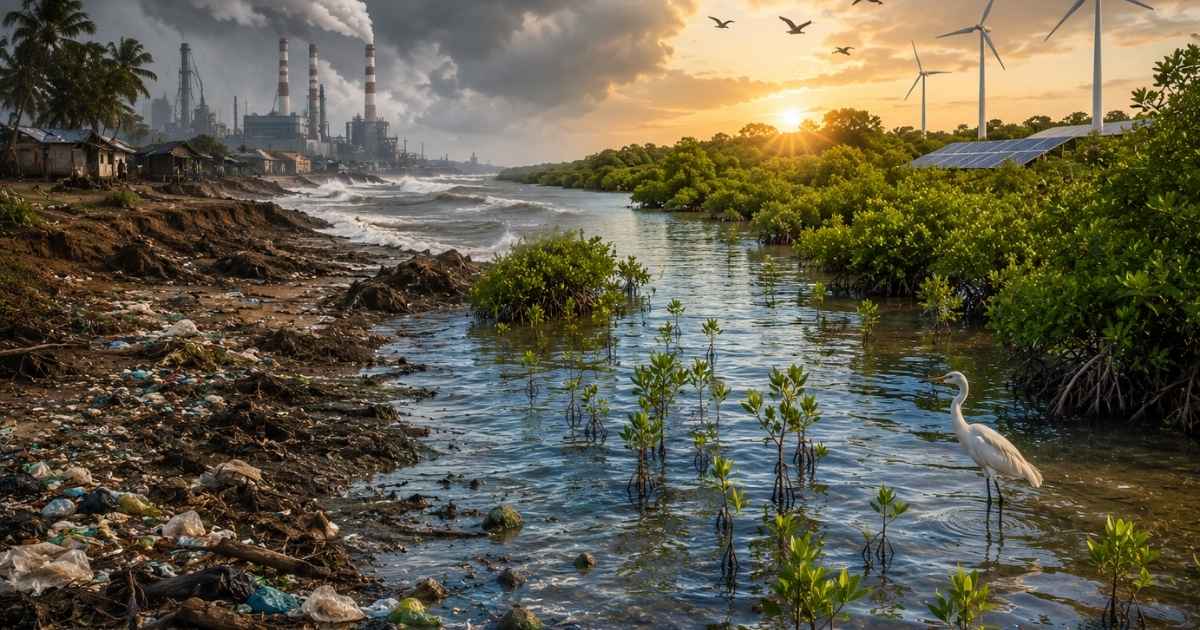
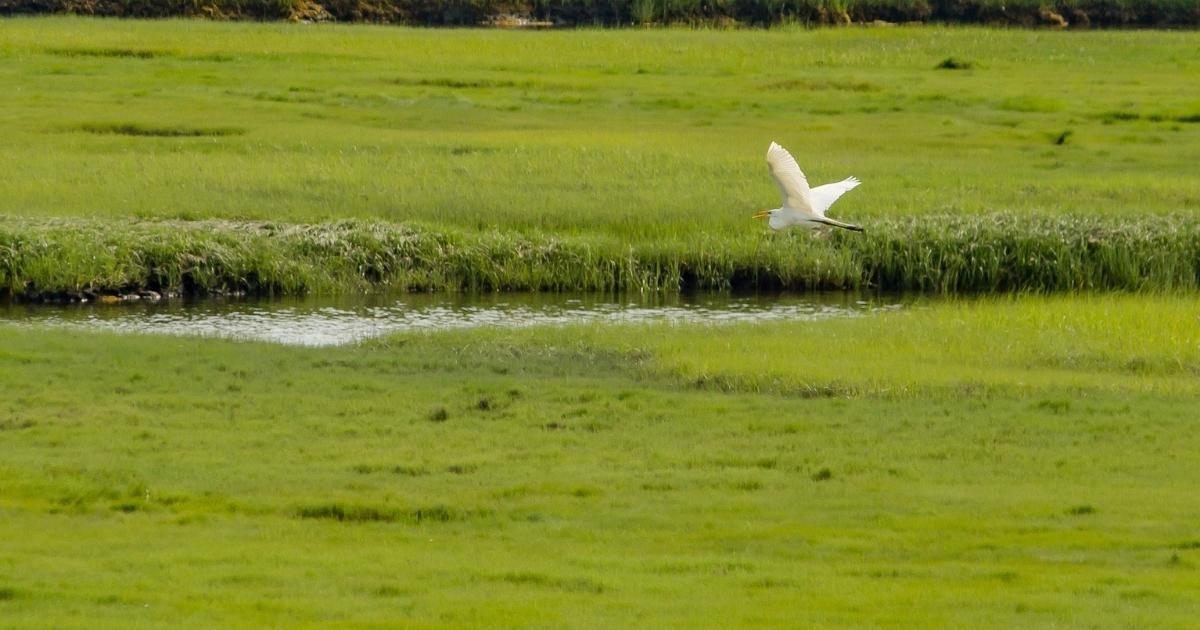
When you think about wetlands, you might picture marshes, mangroves, or waterlogged fields. Wetlands are transitional ecosystems between terrestrial and aquatic environments. According to the Ramsar Convention (1971), wetlands include marshes, swamps, floodplains, mangroves, peatlands, estuaries, lagoons, and even human-made systems like reservoirs and paddy fields. Wetlands are not wastelands, they are ecological infrastructure, and in a country like India, they are critical to ecological sustenance. In India, wetlands are classified into:
- Inland wetlands (lakes, rivers, floodplains, tanks)
- Coastal wetlands (mangroves, coral reefs, estuaries, backwaters)
- High-altitude wetlands (Himalayan lakes)
- Man-made wetlands (irrigation tanks, aquaculture ponds)
Health Benefits of Wetlands
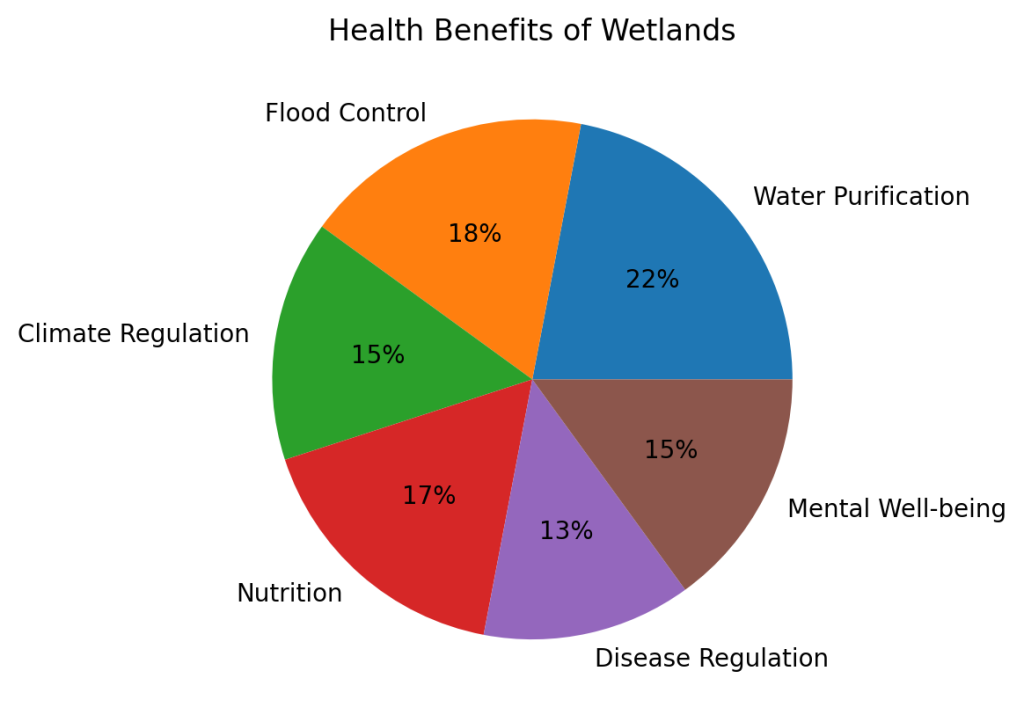
You might not immediately connect wetlands with your health—but the relationship is deep and scientific. Wetlands are among the most valuable natural ecosystems for protecting and improving human health. Often called the “kidneys of the landscape,” wetlands purify water, regulate climate, support nutrition, and enhance physical and mental well-being. Their benefits extend across environmental, social, and public health dimensions.
1. Clean Water and Disease Prevention
Wetlands naturally filter pollutants, sediments, excess nutrients, and pathogens from water. This improves drinking water quality and reduces the risk of waterborne diseases such as cholera, typhoid, and diarrheal infections. Wetlands also recharge groundwater, ensuring sustainable water availability for communities. When wetlands degrade, water quality declines. That directly increases risks of water-borne diseases like cholera, dysentery, and typhoid—still prevalent in parts of rural India.
2. Flood Protection and Disaster Risk Reduction
Wetlands function as natural sponges that absorb excess rainfall and reduce flood intensity. By preventing floods and controlling water flow, wetlands help reduce injuries, contamination, displacement, and disease outbreaks associated with water-related disasters.
3. Climate Regulation and Heat Reduction
Wetlands store large amounts of carbon and regulate local temperature and humidity. This helps reduce heat stress, climate-related illnesses, and air pollution exposure, particularly in urban and coastal regions. Mangrove wetlands also protect coastal communities from cyclones and storm surges.
4. Nutrition and Food Security
Wetlands support fisheries, rice cultivation, livestock grazing, and aquatic crops rich in protein and micronutrients. These resources help prevent malnutrition, micronutrient deficiencies, and food insecurity, especially in rural and vulnerable populations.
5. Control of Disease Vectors
Healthy wetlands maintain ecological balance and support natural predators of mosquitoes and pests. This helps reduce the spread of vector-borne diseases such as malaria and dengue. Proper wetland management prevents stagnant polluted water that can increase disease risk. Wetlands can both regulate and promote disease vectors. Poorly managed wetlands may become breeding grounds for mosquitoes. However, scientifically balanced wetlands support natural predators like fish, amphibians, and dragonflies that control mosquito populations.
6. Air Quality Improvement
Wetland vegetation traps dust, particulate matter, and pollutants, improving local air quality. Cleaner air reduces respiratory diseases, allergies, and cardiovascular risks.
7. Mental Health and Well-being
Natural wetland landscapes provide recreational, cultural, and spiritual benefits. Exposure to blue-green environments reduces stress, anxiety, and depression, and promotes physical activity and social interaction.
8. Medicinal and Biodiversity Resources
Wetlands support diverse plant and microbial species used in traditional and modern medicine. Biodiversity also stabilizes ecosystems, ensuring long-term health and environmental sustainability.
Wetlands and SDG Contribution
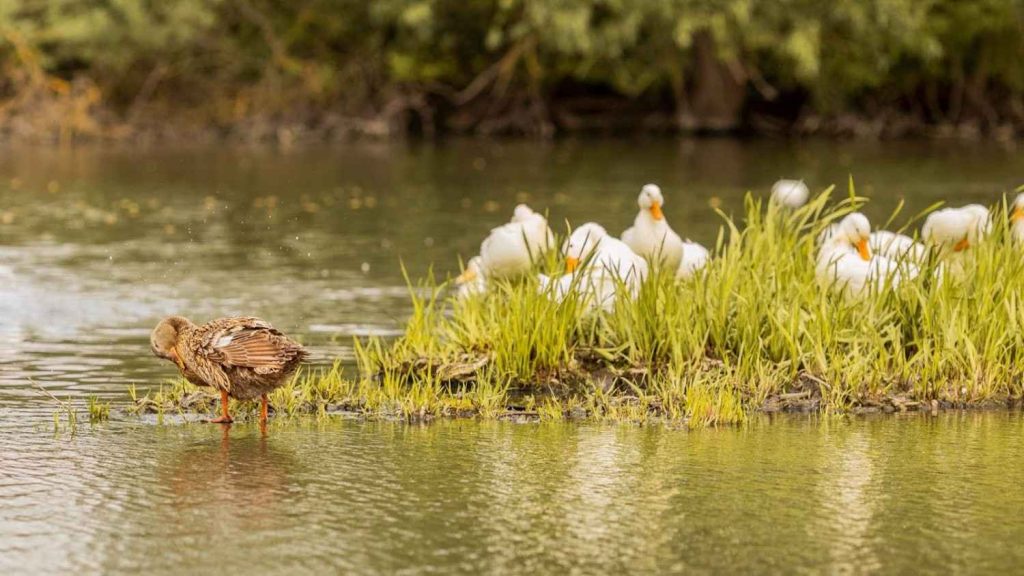
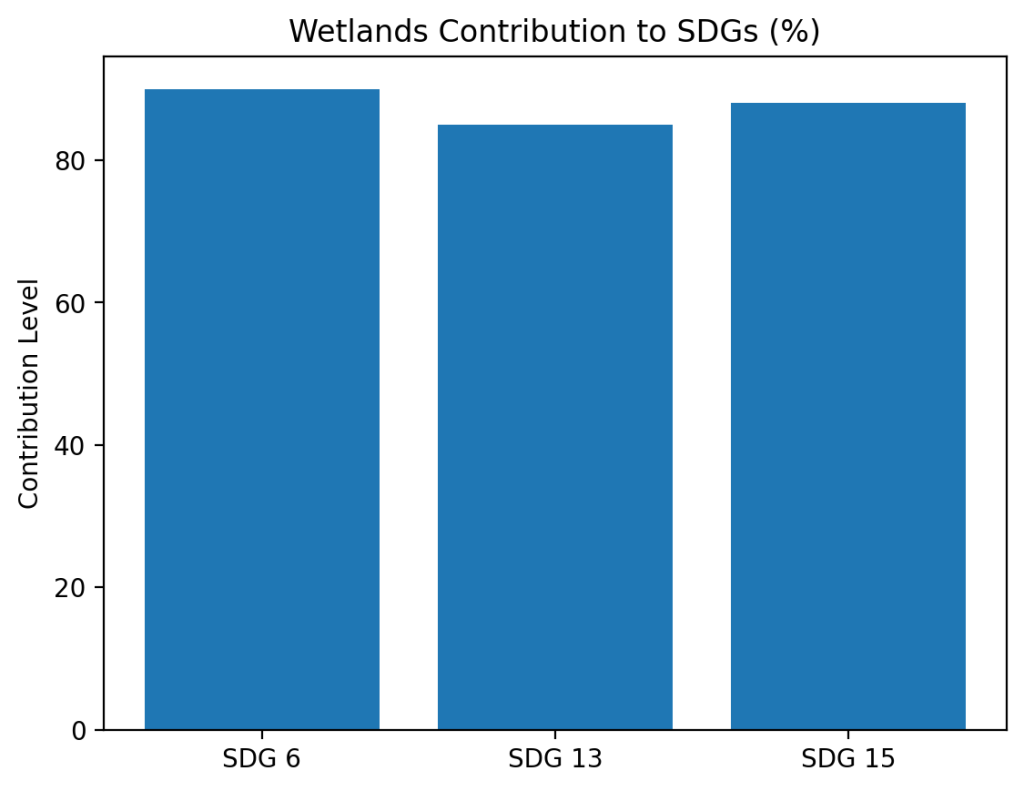
Wetlands are essential ecosystems that support environmental sustainability, human health, and socio-economic development. Their conservation contributes directly to multiple United Nations Sustainable Development Goals (SDGs) by providing clean water, climate resilience, biodiversity protection, and livelihood security.
SDG 6 : Clean Water and Sanitation
Wetlands naturally filter pollutants, sediments, and excess nutrients, improving water quality and supporting safe drinking water systems. They recharge groundwater, regulate freshwater flow, and reduce contamination, helping prevent waterborne diseases. Urban wetlands such as the East Kolkata Wetlands demonstrate how natural wastewater treatment can support sustainable sanitation and public health.
SDG 13: Climate Action
Wetlands act as carbon sinks and help regulate climate. They reduce the impacts of floods, droughts, and extreme weather events by absorbing excess water and stabilizing ecosystems. Coastal wetlands like the Sundarbans mangroves protect communities from cyclones and storm surges, strengthening climate resilience and reducing disaster-related health risks.
SDG 15: Life on Land
Wetlands are biodiversity hotspots supporting plants, fish, birds, and microorganisms essential for ecosystem balance. Healthy wetlands maintain ecological stability, regulate disease vectors, and support sustainable food systems. Conservation of wetlands such as Chilika Lake and Loktak Lake demonstrates the importance of biodiversity in sustaining livelihoods and environmental health.
Additional SDG Linkages
- SDG 2: Zero Hunger- Wetlands support fisheries, agriculture, and food security.
- SDG 3: Good Health and Well-being- Clean water, nutrition, and disease regulation improve overall health.
- SDG 11: Sustainable Cities and Communities- Urban wetlands reduce flooding, pollution, and heat stress.
- SDG 14: Life Below Water- Coastal and estuarine wetlands support marine ecosystems and fisheries.
Case Studies
Representative Indian Wetlands Supporting Health and Sustainability
Chilika Lake (Odisha) – Ecosystem Restoration, Nutrition and Public Health
Chilika Lake, Asia’s largest brackish water lagoon, supports one of India’s most productive wetland ecosystems. Restoration efforts improved water circulation, biodiversity, and fish populations, directly enhancing food security and nutrition for local communities dependent on fisheries. Access to protein-rich fish helps reduce malnutrition and micronutrient deficiencies. Improved water quality has lowered exposure to contaminated water, reducing waterborne disease risks. The lake also supports livelihoods, improving socio-economic stability, which is closely linked to better physical and mental health outcomes.
East Kolkata Wetlands (West Bengal) – Natural Wastewater Treatment and Urban Health Protection
The East Kolkata Wetlands serve as a globally recognized example of ecological engineering, where wetlands naturally treat nearly one-third of Kolkata’s wastewater. Through sedimentation, microbial activity, and nutrient absorption, the wetland significantly reduces pollutants and pathogens before water is reused for agriculture and fisheries. This nature-based treatment system improves urban sanitation, reduces disease burden, and prevents contamination of surface and groundwater. By supporting fish farming and vegetable cultivation, it contributes to nutrition, livelihood security, and community well-being, demonstrating how wetlands function as cost-effective public health infrastructure.
Sundarbans Mangroves – Climate Resilience, Disaster Protection and Health Security
The Sundarbans, the world’s largest mangrove forest, act as a natural shield against cyclones, storm surges, and coastal flooding. By reducing disaster intensity, mangroves protect coastal populations from injuries, displacement, contaminated water, and post-disaster disease outbreaks. Mangrove ecosystems also support fisheries and biodiversity, ensuring food and livelihood security. Additionally, mangroves help regulate climate and improve air quality, reducing heat stress and respiratory health risks. The Sundarbans illustrate how wetland ecosystems are critical for climate-health resilience and disaster risk reduction.
Loktak Lake (Manipur) – Water Security, Livelihoods and Ecological Health
Loktak Lake, known for its floating “phumdi” ecosystems, is central to the socio-economic and ecological stability of Manipur. The lake provides drinking water, irrigation, fisheries, and hydropower support. Access to clean and reliable water improves hygiene, sanitation, and disease prevention, particularly in rural communities. Fisheries from Loktak contribute to protein intake and nutritional health, while livelihoods dependent on the lake improve socio-economic well-being and mental health. Conservation of Loktak is essential for maintaining water security, ecosystem balance, and community health.
Wetlands play a critical role in achieving the Sustainable Development Goals by integrating environmental conservation with human health and socio-economic development. Protecting and restoring wetlands is therefore essential for building resilient ecosystems, healthy communities, and a sustainable future. Protecting and restoring wetlands is therefore a strategic investment in human health, sustainability, and climate resilience in India. Wetlands in India are not marginal ecosystems. They are central to public health, food security, climate resilience, and sustainable development. As India moves toward sustainable growth, you must treat wetlands as natural health infrastructure. Protect them. Restore them. Integrate them into development planning.