
Ting Choo Yuen

With advances in modern medicine and healthcare, human life expectancy has increased dramatically. Today, many chronic diseases, such as diabetes, hypertension, chronic kidney disease, paralysis, osteoporosis, Parkinson’s disease, thalassemia, and even early stage of cancers can be managed with medication. As a result, aging populations are growing worldwide. This demographic shift raises important questions about long-term care options for seniors. Some elderly individuals with chronic diseases opt to live in nursing homes due to their inability to perform self-care and lack of family support. However, others prefer to stay with their children.
Children living with elderly parents who have chronic diseases face new life challenges, particularly as these parents become dependent on daily activities support. Such caregivers need to juggle personal lives, careers, child-rearing, and parental care responsibilities. Nevertheless, a few important, practical strategies can support and sustain the well-being of both elderly parents and their caregivers.
Practical Tips for Caregiving
Managing elderly parents with chronic diseases is an ongoing process. Developing practical strategies is crucial to sustain caregiving efforts and prevent caregiver burnout.
1. Ensure Medication Compliance for elderly parents
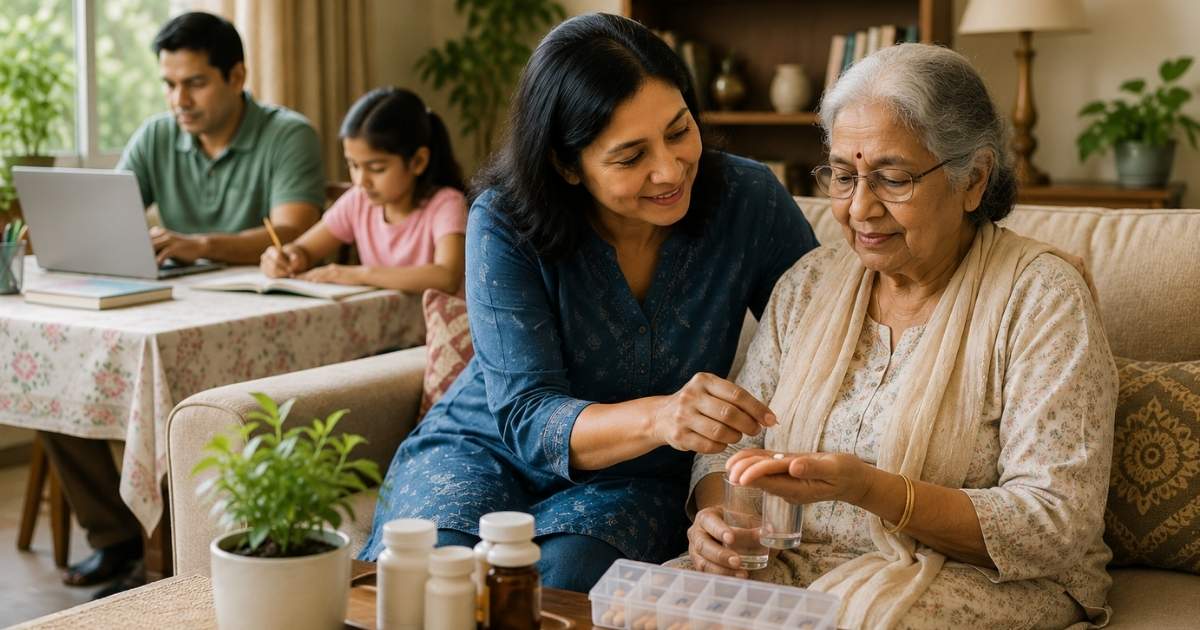
While some elderly parents manage medications independently, others need assistance. Small print on pill labels often makes it hard for them to read dosages or expiry dates, so adding larger, clearer labels can help. Many are also forgetful and can benefit from pre-prepared daily medication organizers. Proper medication adherence is vital, as it helps prevent serious complications. For example, good glucose and blood pressure control prevents or reduces giddiness, and therefore lowers the risk of falls in the elderly.
2. Ensure adequate food and water consumption for elderly parents
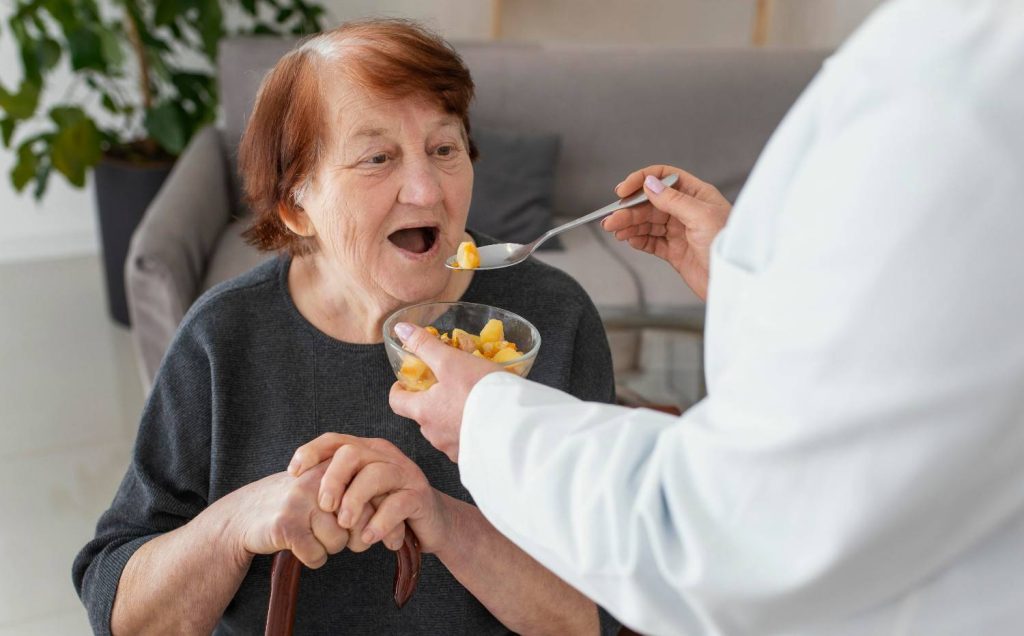
Adequate food and water intake is vital for elderly well-being, as malnutrition is prevalent in this group. The World Health Organization (WHO) tackles this through guidelines like screening via BMI and providing tailored nutrition rich in protein, calories, vitamins, and minerals (Rudnicka E 2020).
Common Causes
Malnutrition often stems from factors like ill-fitting dentures, reduced appetite, limited food access, or inconvenience in obtaining supplies. Addressing these by ensuring proper dentures, consistent access to nutrient-dense foods (high in protein, vitamins, minerals, and calories), can effectively mitigate the issue.
Practical Tips
Variety of foods with appealing colors, small but frequent meals, and having meals with them could enhance appetite and food intake. Incorporating light exercise is another way to stimulate hunger that further supports nutritional balance.
3. Assist them with exercise to improve muscle tone
As we age, muscles gradually degenerate due inadequate protein intake and insufficient exercise. This process is subtle, progressive and often unnoticed. Without consistent strength training, adults can lose 3% to 8% of muscle mass per decade ((Volpi E 2004). Over time, this sarcopenia hinders daily activities like rising from bed, walking, bathing, and dressing. It also raises risks of falls, bone fractures, and even death.
Therefore, daily strength training is important and essential. It increases endurance for daily self-care activities, preserve mobility, and enhances overall well-being (Tøien T, 2025). Exercises are tailored to fitness level:
- Extremely weak (bedbound >50% of time): Use resistance bands for leg muscles and hand weights for grip strength.
- Moderately weak: Try bed pedal exercises, seated steppers, or recumbent bikes.
- Mobile elderly: Incorporate daily walks, plus gym equipment or fitness tools.
4. Support elderly parents in slowing down age-related memory loss
Memory loss is a common part of aging. Our brain cells gradually decline with age, and inactivity can speed up cognitive decline. The effects of dementia should not be underestimated, they can lead to inability to perform daily activities; in more severe cases, it can lead to forgetting family members or losing one’s way home.
Fortunately, simple lifestyle changes can help to slow this process. Research has shown that engaging the brain through social interaction, or physical activities preserve our cognitive function.
- Social interaction: Talking to elderly parents can help stimulate their memory and enhance their emotional health. We can chat with them about their day, share meals or go for walks together. A previous study, Rush Memory and Aging project, reported that a strong social ties to a 50% lower dementia risk (Wallace 2019).
- Challenge the mind: Solving Sudoku, reading newspapers or magazines, tackling crossword puzzles, and playing chess or cards promote cognitive reserve. Studies have shown that these activities reduce the risk of dementia compared to passive activities (Weziak-Bialowolska, D.,2023) (Werneck 2026).
- Avoid unhelpful habits: In contract, passive activities such as watching TV or scrolling social media offers little cognitive benefit and should be minimized. These activities may even harm brain health if excessive, per findings from the Journal of integrative neuroscience (Manwell,2022).
Self-Care Tips for Caregivers
1. Get enough rest
Caregiving is physically demanding. The caregivers are constantly on the move to provide for their parents’ needs, such as medication, meals, exercise and companionship. The task becomes even more difficult when the parent falls ill. The responsibilities may also require the caregiver to learn new skills to meet the changing needs. As caregiving is exhausting and time-consuming, it is important for the caregivers to get enough rest and sleep. This will help them recharge and stay physically and emotionally strong to continue providing good care.
2. Sharing responsibility with other siblings
Sharing caregiving tasks with other siblings is a good way to make caregiving more sustainable. When the responsibility is shared, each caregiver can take time off to rest and then return to their role refreshed, like “walking further” without burning out.
Taking care of elderly parents over the long-term may seem overwhelming and exhausting. However, there are several key aspects of caregiving that we should emphasize to enable effective care and lighten the caregiving burden. Caregivers should also practice good self-care habits to protect their own well-being.