Dr. Shelly Mahajan
In an era where healthcare is rapidly transforming, diagnostics has emerged as far more than a supporting function it has become the foundation of modern medicine. This central theme unfolded in a recent episode of the InnoHealth Magazine Podcast, where host Dr. Soumya Singh engaged in a deep, nuanced conversation with Dr. Shelly Mahajan, Lab Director & Clinical Head – Genomics at Mahajan Imaging & Labs.

The discussion moved beyond innovation buzzwords to examine the real-world impact of genomics, artificial intelligence, standardization, ethics, and most importantly patient trust.
Diagnostics Moves From the Background to the Frontline
For decades, diagnostics functioned quietly in the background of healthcare. Patients rarely interacted with diagnosticians, and lab reports were often viewed as secondary confirmations of a clinician’s judgment. According to Dr. Mahajan, that perception has fundamentally changed.
“Diagnostics is no longer about confirming illness. It is about predicting disease, preventing it, and managing a person’s entire health journey.”
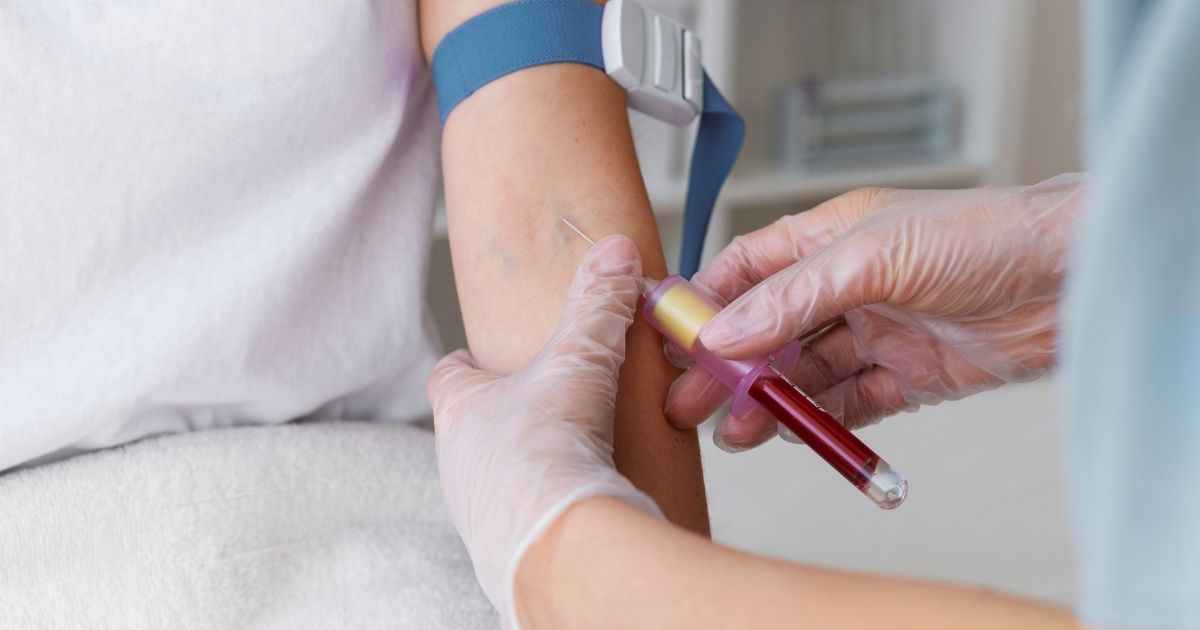
This shift reflects a broader transformation in healthcare itself. Preventive screenings, wellness monitoring, and early risk assessment now rely heavily on diagnostics. Individuals today engage with testing not only when they are sick, but also when they want to stay healthy making diagnostics a part of everyday life rather than episodic care.
Molecular Diagnostics and the Democratization of Precision
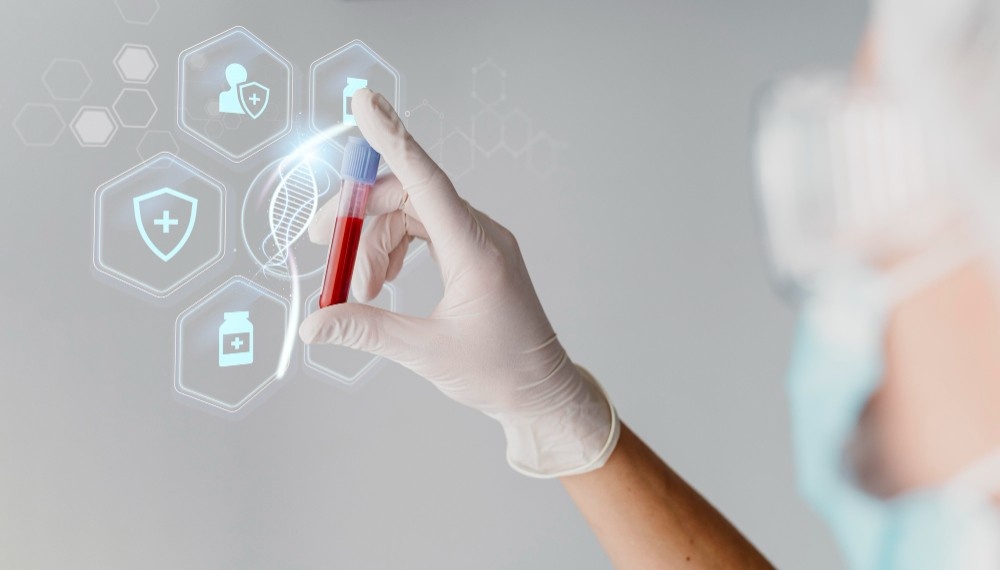
One of the most powerful drivers of this change has been molecular diagnostics. What was once considered niche or highly specialized is now increasingly accessible to routine patients. Dr. Mahajan highlighted how PCR and genomic testing have become household terms, especially following the COVID-19 pandemic.
“Today, we can predict susceptibility to disease by testing DNA from a simple blood or saliva sample and that has completely changed how early we can intervene.”
Molecular diagnostics has revolutionized disease detection across oncology, infectious diseases, and autoimmune disorders. The ability to diagnose earlier, predict risk, and tailor treatment plans has pushed healthcare closer to the ideal of personalized medicine—where therapy is shaped around the individual rather than the average patient.
Artificial Intelligence: Acceleration With Accountability
Artificial intelligence has emerged as a powerful force within diagnostics, improving efficiency, speed, and accuracy in radiology and pathology. AI-powered tools can now screen pathology slides, assist radiologists in detecting early cancers, and reduce diagnostic delays—particularly in regions with limited access to specialists.
However, Dr. Mahajan was unequivocal in her caution: AI is a tool, not a decision-maker.
“AI can screen faster and reduce errors, but it cannot replace clinical judgment. Without human oversight, even the smartest algorithm can misdiagnose.”
She emphasized that AI systems are only as good as the data on which they are trained. A lack of diversity or quality in training datasets can introduce bias, leading to skewed results that directly impact patient care. Continuous validation, transparency, and regulatory oversight are therefore critical to safe AI adoption.
Standardization: The Backbone of Credibility
One of the most pressing concerns raised in the conversation was the lack of uniformity across diagnostic laboratories. Variations in reference ranges, methodologies, and reporting standards often leave patients confused and clinicians uncertain.
Dr. Mahajan stressed that accreditation, adherence to international quality standards, regular audits, calibrated equipment, and continuous staff training are not optional—they are fundamental. Without standardization, diagnostics risks becoming volume-driven rather than value-driven, leading to over-testing, patient anxiety, and unnecessary healthcare costs.
Over-Testing and the Need for Value-Based Diagnostics
While access to diagnostics has improved, it has also created a paradox: more testing does not always mean better care. Over-testing can result in false positives, misdiagnosis, and emotional distress for patients.
Dr. Mahajan advocated for stronger collaboration between clinicians and diagnosticians, evidence-based testing protocols, and better patient education. The goal, she explained, is smarter diagnostics, not more diagnostics.
“We need to move away from volume-based diagnosis and focus on tests that actually add value to a patient’s treatment journey.”

Transparency, Ethics, and Rebuilding Patient Trust
Addressing recent controversies around lab practices and data integrity, Dr. Mahajan underscored that trust is fragile—and once lost, difficult to rebuild. Transparency, she argued, is the most powerful tool laboratories have.
She noted a positive cultural shift: patients now actively want to speak with diagnosticians, discuss reports, and understand their health data. This growing engagement reflects a new era where patients expect not just accuracy, but accountability and empathy.
The Road Ahead: Technology With a Human Core
Looking forward, Dr. Mahajan expressed optimism about emerging breakthroughs such as multi-omics diagnostics, AI-assisted tools for rural healthcare, and continuous monitoring through wearables. These innovations promise earlier detection, ultra-personalized treatment, and improved access.
Yet the podcast made one truth abundantly clear: technology alone cannot define the future of diagnostics.
The future will belong to systems that combine scientific excellence, ethical practice, rigorous quality standards, and human judgment—where every report carries not just data, but responsibility.
As this episode of the InnoHealth Magazine Podcast demonstrates, diagnostics is no longer just about tests. It is about trust, transparency, and putting patients at the heart of innovation.