Dr. Sangeeta Sharma, Arshia Bhandari
A Home Built of Courage and Chlorhexidine
Harsh’s illness began with a cough and a chill that burrowed into his bones. A hazy patch on the X-ray revealed pneumonia, and the plan sounded simple: IV antibiotics, oxygen, fluids.
“Every pill felt like a promise, but the fever kept laughing at us.”
On 3rd day, he was in the ICU. The team moved stepwise through therapy – first-line antibiotics, then second-line combinations of antibiotics, and finally last-resort antibiotics that were not only expensive but also toxic. Blood cultures returned with words that closed the air in the room: resistant to usual antibiotics; resistant to broader combinations.
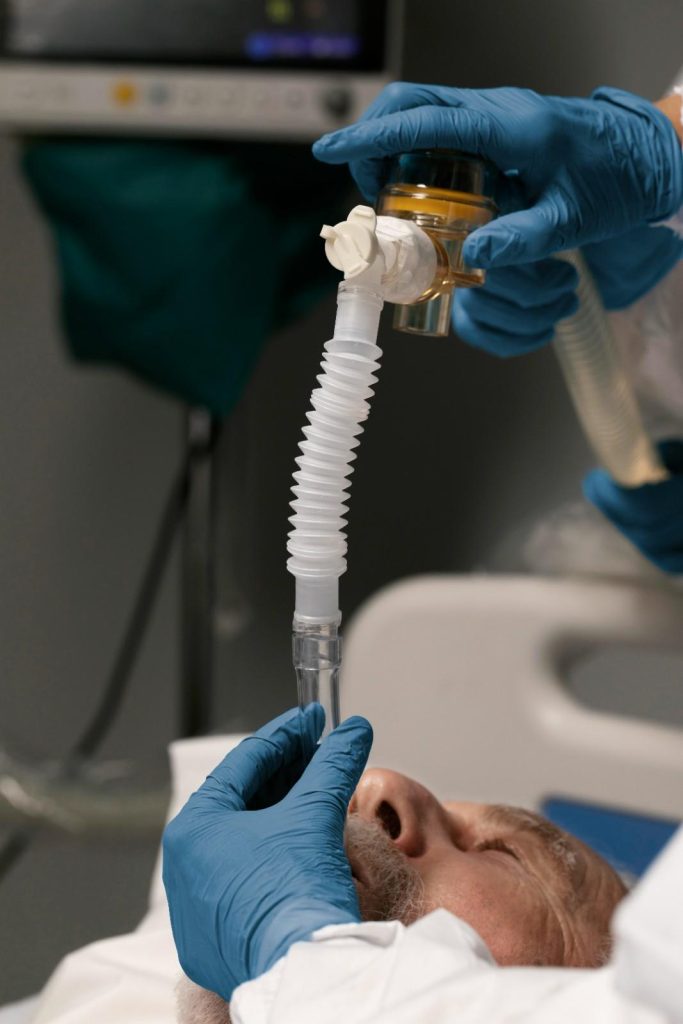
His breathing grew heavier, blood pressure dipped, and ventilatory support kept him afloat. Days turned into tallies -day 7 of fever, day 10 of oxygen masks, day 13 and then day 20 of antibiotics that failed in journals and were failing in him. The family faced decisions no one wants to make: intubate again or not, resuscitate or allow a natural end.
“He said, ‘Take me home,’ and we stood frozen. Every choice felt like betrayal – hope on one side, his wish on the other.”
In that instant, the hospital walls felt heavier than hope, and the family realized care was no longer about medicine alone—it was about dignity and the family’s world shifted from hospital corridors to the fragile hope of home care. Love built a hospital room at home -rails on the bed, oxygen cylinders, suction, sterile dressing kits, and nurses on every shift. Medicines arrived in brown bags; lab reports spoke in arrows and forecasts of storm after storm. Savings thinned to bone and yet hope endured.
“I’m not afraid. I’m tired. Let me go” – Harsh, to his family one night as monitors traced his heartbeats like a small bird.
Two months passed like a long winter with no gap in the cloud. One night, numbers softened and slid away. Later, Meera, his wife, paused over a lab report and the term that had shadowed them: multidrug resistant. ‘These words didn’t exist when we were children,’ she told her daughter. ‘Now they follow us everywhere.’
From a Family Member: “We thought antibiotics were magic. No one told us they could fail.”
Another Family’s Loss
A tearful daughter laments, “the diagnosis of cancer was daunting for us, but the reassurance from the doctor that it is curable gave us hope. My mother was admitted for her first chemotherapy, but suddenly her condition worsened. The doctor informed them that she had acquired an infection and reassured us that she has been started on antibiotics and would soon recover. However, days turned to weeks, but the fever failed to abate. The hospital tried all possible antibiotics, but the superbug won; and we lost her not to cancer but to a bug! We never imagined a tiny germ could defeat every medicine the doctors had.
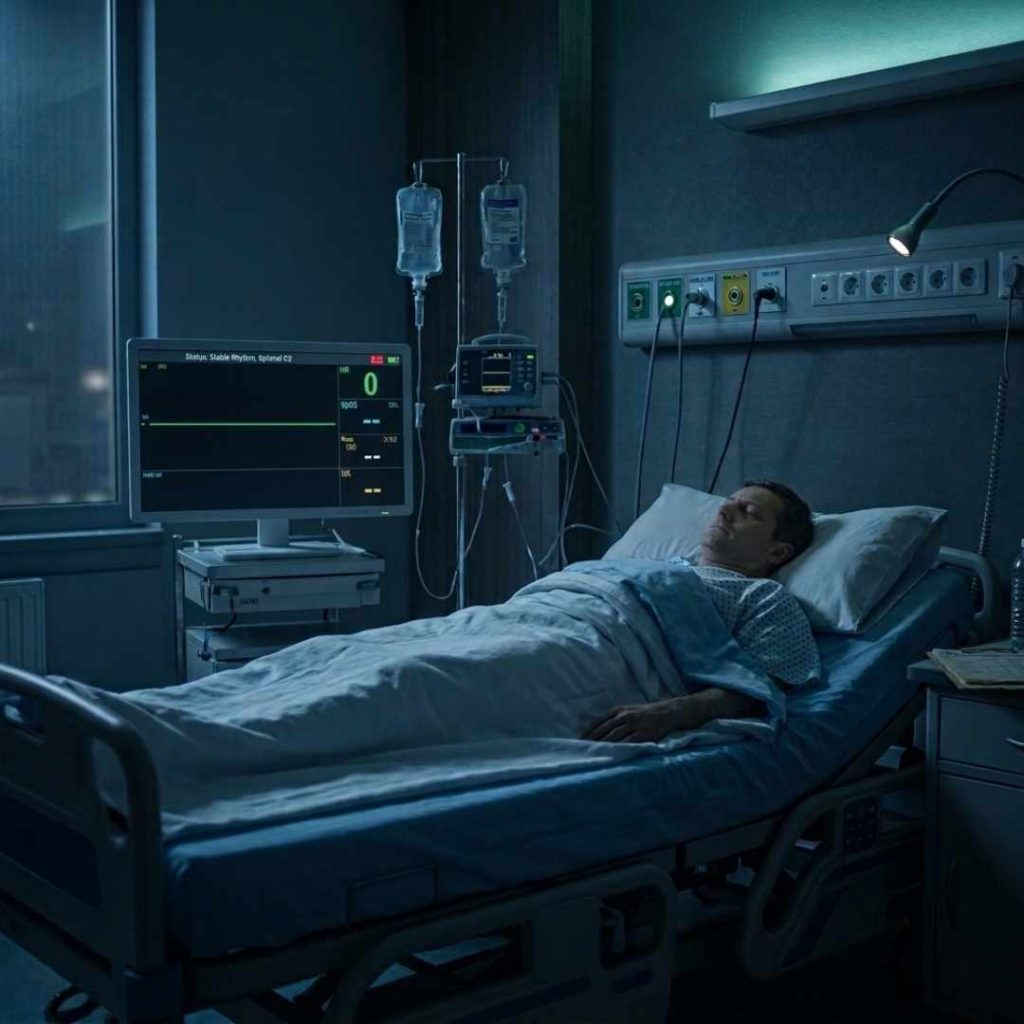
“We kept asking, isn’t there one more antibiotic? But the answer was silence.”
Another story: The Battle That Almost Broke Us
Ravi was admitted with a raging infection that spiraled out of control. Doctors escalated from first-line antibiotics to last-resort drugs. His blood pressure dipped; breathing faltered; consent forms piled up.
After weeks of ventilators and toxic medications, the fever finally broke and the tubes came out. He returned home but the question that haunts his family remains: what if those medicines hadn’t worked?
From a Caregiver:
“Watching the monitors dip while waiting for an antibiotic to work is a kind of helplessness you can’t describe.”
From a Survivor:
“I walked out of the ICU, but the fear stayed – what if next time, there’s nothing left to try?”
AMR: A Quiet Emergency in Every Home
This is the landscape of antimicrobial resistance (AMR): where therapies we rely on no longer work and the distance between infection and cure keeps widening.
AMR does not spread like a virus, but grows in every ward, every prescription, and every community. First-line treatments fail; second-line options buckle; even last-resort medications offer only brief, deceptive pauses before fever rises again.
AMR: A Natural Phenomenon Accelerated by Human Actions
AMR begins as a natural biological process – microbes adapt to survive. Bacteria have always evolved defence mechanisms against threats, including antibiotics. However, this phenomenon is accelerated by human behaviour, especially the overuse and misuse of antibiotics.
Unlike most medicines, antibiotics are unique: their impact is not confined to the individual taking them. Every unnecessary dose or incomplete course creates selective pressure, enabling resistant bacteria to thrive and spread. This means one person’s misuse can affect an entire community, turning what should be a personal treatment into a public health challenge.
The causes are embedded in our practices: antibiotics taken without prescriptions, courses stopped midway to save money, overcrowded hospitals where bacteria trade survival tactics, and environmental contamination from pharmaceutical waste.
| How Everyday Practices Fuel AMR Over-the-Counter (OTC) Antibiotic Use Easy access to antibiotics without prescriptions allows people to use them for viral illnesses (like colds or flu) where they have no benefit. This unnecessary exposure gives bacteria more chances to adapt and develop resistance. Self-Medication Patients often start antibiotics based on past experience or advice from non-medical sources. Wrong drug choice, incorrect dose, or inappropriate duration accelerates resistance and delays proper treatment. Incomplete Courses Stopping antibiotics early when symptoms improve, this practice leaves surviving bacteria stronger and more resistant. These resistant strains spread within communities and hospitals, making future infections harder to treat. The Chain Reaction Each misuse creates selective pressure, allowing resistant bacteria to thrive. Overcrowded hospitals and contaminated environments amplify this cycle, turning individual choices into a public health crisis. |
The Fragile Lifeline: Why We Rely on Last-Resort Drugs
Compounding the crisis, the pipeline for new antibiotics is running dry. Development of new antibiotics is slow, expensive, and often unprofitable, leaving us with last-resort antibiotics that cost more than a month’s salary and sometimes even more and offer only temporary reprieve. Until now, new antibiotics have managed to keep pace with evolving resistance, but in the future, we may not have that safety net as the pipeline continues to shrink. This makes it critical to preserve the precious resources we have today – losing antibiotics would mean gambling on the hope that future science will rescue us from infections that could otherwise be prevented or treated now.
Solutions Are Within Reach
Prevention and stewardship cost far less than escalation and failure. Hand hygiene, rational prescribing, and informed conversations can change the course of care. Stewardship must become a culture, not just a protocol.
What We Can Do – Together Prescribers: Ask if antibiotics are truly needed; draw cultures early; narrow therapy; stop when cured. Pharmacists: Do not dispense antibiotics without a prescription. Patients: Ask questions; complete courses; never share leftovers. Hospitals: Invest in stewardship and infection control—one outbreak can erase months of savings. Regulators: Enforce prescription-only policies, monitor supply chains, and equip labs to guide care. Policy makers: Invest in Education; Continuous training for prescribers and pharmacists to ensure antibiotics are used wisely. Strengthen Surveillance: Hospitals and regulators must track resistance patterns and share data to guide treatment. Pharmaceutical industry to promote innovation; Incentivize research for new antibiotics and rapid diagnostics to stay ahead of evolving microbes. Community Engagement: From schools to workplaces, hygiene practices and awareness programs can reduce infection risks before they start. |
Together, these steps form a safety net – one that protects not just individual patients but entire health systems from the silent pandemic of antimicrobial resistance.
A Bell That Rings for Change
Harsh’s bell still hangs above the television. Once, it marked victory over cancer; now it calls for accountability and hope. His story deserves more than sorrow – it deserves a promise that the next family will not watch antibiotics fail, one after another.
Meera volunteers with a patient group, urging families to preserve the power of life-saving antibiotics avoid self-medication, sharing of drugs, and demanding antibiotics unnecessarily. Let the next bell ring for recovery, not remembrance.